Off-Road Caravans for Sale: An In-Depth Exploration
Introduction
In an era where exploration knows no bounds, the demand for versatile and robust travel accommodations has skyrocketed. Enter off-road caravans—a specialized type of recreational vehicle (RV) designed to conquer rugged terrains and offer a unique adventure experience. This article delves into the vibrant world of off-road caravans available for purchase globally, exploring their features, impact, and the diverse opportunities they present for outdoor enthusiasts and adventurers alike. By examining various aspects, from technological innovations to regulatory frameworks, we aim to provide an exhaustive guide to understanding this niche yet captivating market.
Understanding Off-Road Caravans for Sale: A Definition and Its Components
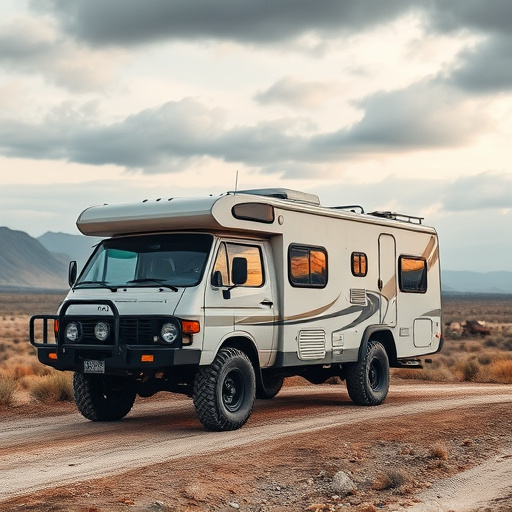
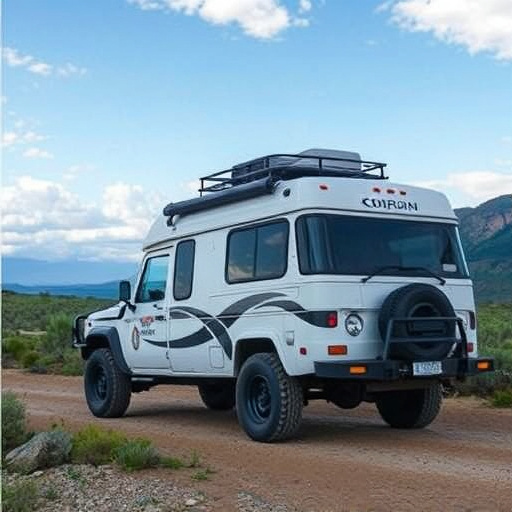
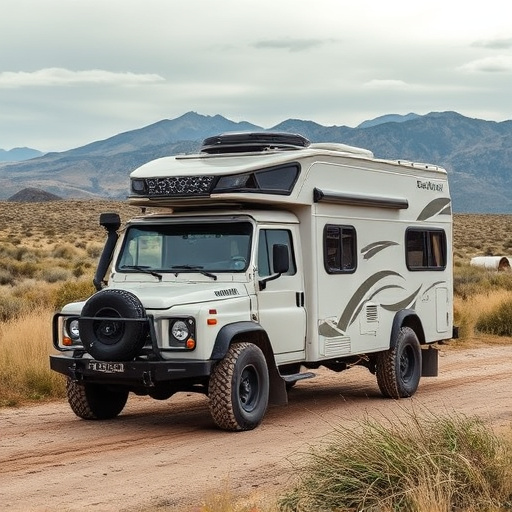
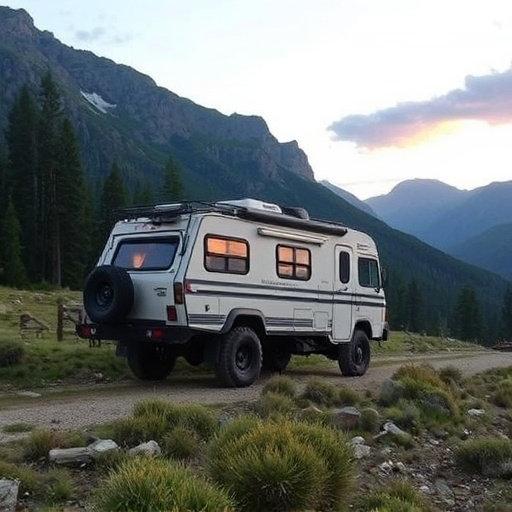
Off-road caravans, often referred to as off-grid RVs or 4×4 campers, are recreational vehicles built specifically for navigating unpaved roads and remote locations. These caravans are characterized by their sturdy construction, robust off-road capabilities, and self-sufficiency features. Key components that define an off-road caravan include:
Chassis and Frame: The backbone of the caravan, typically constructed from high-strength steel or aluminum, ensuring durability and strength to withstand challenging terrains.
Wheels and Tires: Large, all-terrain tires with robust wheels are essential for traversing mud, rocks, and uneven surfaces. Common choices include LT (Light Truck) tires or specialized off-road rubber.
Suspenion System: A robust suspension system is critical for maintaining control and comfort over rough terrain. Independent coil springs and advanced shock absorbers are frequently used to ensure a smooth ride.
Power Systems: Off-grid energy independence is a hallmark of these caravans. Solar panels, deep-cycle batteries, and generators enable them to operate remotely, providing electricity for lighting, cooking, and other amenities.
Water and Waste Management: Self-contained water tanks, efficient greywater systems, and composting toilets are integrated to ensure sustainable waste disposal and water usage while off the grid.
Living Spaces: Comfortable interior layouts with well-appointed kitchens, dining areas, and sleeping quarters are designed to cater to various needs, from camping trips to extended expeditions.
Off-road caravans represent a fusion of automotive engineering, outdoor recreation, and modern living, offering a unique blend of adventure and home comforts.
Global Impact and Trends: A World of Adventure
The market for off-road caravans has witnessed significant global growth, driven by a surge in outdoor recreation and a desire for authentic travel experiences. Here’s a glimpse into its international reach:
Region
Market Size (Estimated 2023)
Notable Trends
North America
$1.5 billion
Increasing popularity of overlanding trips, with customizable caravans tailored to specific outdoor activities.
Europe
€800 million
Growing interest in eco-friendly off-road caravans, reflecting a shift towards sustainable travel.
Asia Pacific
$1.2 billion
Rapid urbanization driving demand for compact, lightweight off-road caravans suitable for diverse terrains.
Australia
AU$500 million
Unique outback adventures fuel the market, with specialized caravans designed for extreme conditions.
These regions showcase a diverse range of preferences and demands, influencing the design and features of off-road caravans. For instance, European buyers often prioritize energy efficiency and sustainable practices, while North Americans tend to focus on spacious interiors and advanced technology.
Economic Considerations: A Market in Motion
The off-road caravan market operates within a dynamic economic landscape, influenced by various factors:
Recreational Vehicle Industry: Off-road caravans are part of a broader RV industry valued at over $100 billion globally. This sector contributes significantly to economic growth, employment, and tourism in many countries.
Investment and Affordability: High-quality off-road caravans can be substantial investments, with prices ranging from $50,000 to well over $200,000. However, the market caters to various budgets, offering used options, custom builds, and affordable entry-level models.
Tourism Boost: These caravans encourage exploration of remote areas, fostering local economies and promoting sustainable tourism practices. Many destinations are marketing off-road adventures as unique selling points to attract visitors.
Custom Build and Aftermarket Enhancements: The ability to customize and upgrade caravans is a significant driver of sales. Owners often invest in aftermarket additions, such as advanced navigation systems, off-road accessories, and specialized camping gear.
Technological Advancements: Revolutionizing the Off-Road Experience
Technology plays a pivotal role in enhancing the capabilities and appeal of off-road caravans:
Navigation and Mapping Systems: Advanced GPS and mapping software provide real-time location tracking, terrain mapping, and route planning, ensuring safe and efficient navigation.
Autonomous Driving Features: Some manufacturers are integrating autonomous driving technology, allowing caravans to navigate challenging trails with minimal human input, enhancing safety and accessibility.
Smart Home Integration: IoT (Internet of Things) devices enable remote monitoring and control of caravan systems, including lighting, climate control, and security features, from the comfort of home or on the go.
Solar Panel Efficiency: Improvements in solar panel technology have led to more compact and efficient panels, increasing off-grid energy capabilities and reducing the overall environmental footprint.
These technological innovations not only improve safety and convenience but also contribute to a more sustainable off-road caravan experience.
Policy and Regulation: Navigating Legal Waters
The legal landscape surrounding off-road caravans varies across jurisdictions, reflecting differing cultural priorities and environmental considerations:
Vehicle Registration and Licensing: Most countries require registration and licensing for off-road vehicles, including caravans, to ensure road safety and enable regulatory oversight.
Environmental Standards: Stricter emission and fuel efficiency standards are increasingly being implemented, influencing the design and power systems of off-road caravans. Manufacturers must adhere to these regulations while maintaining performance.
Land Access and Camping Regulations: Policies regarding access to public lands for recreational activities can impact off-road caravan owners. Campsite reservations, waste management guidelines, and permitted areas are subject to local laws.
Insurance Requirements: Specialized insurance policies cater to the unique risks associated with off-road travel, covering vehicles, personal belongings, and liability during remote expeditions.
Challenges and Criticisms: Overcoming Obstacles
Despite its growing popularity, the off-road caravan market faces several challenges and criticisms:
Environmental Concerns: Critics argue that the increased use of off-road vehicles can lead to environmental degradation, including trail erosion and habitat disruption. Sustainable practices and responsible tourism are essential to mitigate these impacts.
Safety Issues: Off-road travel inherently carries risks. Manufacturers and regulators must address concerns related to driver training, vehicle safety standards, and emergency preparedness to ensure a safe off-road experience.
Accessibility and Cost: High initial costs and specialized knowledge required for maintenance can limit accessibility, especially in developing regions. Affordability and accessible education are key to encouraging broader participation.
Regulatory Compliance: Keeping up with evolving regulations, particularly regarding environmental standards, can be challenging for manufacturers and owners alike. Transparent communication and clear guidelines are necessary.
Case Studies: Real-World Success Stories
1. The Great Australian Outback Adventure
In Australia, off-road caravans have become integral to exploring the vast outback. Companies like Campervan Australia offer custom-built caravans tailored for extreme conditions. These caravans feature robust construction, advanced off-road capabilities, and self-sufficiency systems, allowing travelers to embark on extended expeditions while completely off the grid. The success lies in their ability to provide a comfortable and safe base camp for outdoor enthusiasts exploring remote regions.
2. Sustainable Nordic Camping
Scandinavian countries are renowned for their commitment to sustainability, and this is reflected in their off-road caravan industry. In Sweden, companies like GreenCampers specialize in building eco-friendly caravans with energy-efficient systems and sustainable materials. These caravans cater to nature lovers seeking a guilt-free outdoor experience. By prioritizing environmental responsibility, these businesses have carved out a successful niche in the market.
3. Overlanding in North America: A Growing Community
The United States and Canada have witnessed a boom in overlanding—a style of travel that combines off-road adventures with camping. Companies like Overland Motor Company (OMC) offer fully equipped caravans designed for specific outdoor activities, such as hunting, fishing, or mountain biking. OMC’s success lies in their customizable builds, allowing owners to tailor their caravans to their preferred adventures. This approach fosters a sense of community among overlanders, who share tips and stories online and during annual gatherings.
Future Prospects: Looking Ahead
The off-road caravan market is poised for continued growth and evolution, shaped by emerging trends and technological advancements:
Sustainable Travel: The push for eco-friendly practices will likely drive the development of more energy-efficient caravans with advanced recycling systems and renewable energy sources.
Custom Build and Modular Design: Owners will increasingly seek personalized experiences, leading to a rise in custom builds and modular caravan designs that can be adapted for various purposes.
Autonomous Technology: Autonomous driving technology will play a more significant role, making off-road travel safer and more accessible to a wider range of users.
Digital Integration: The integration of digital technologies, such as advanced navigation systems and smart home capabilities, will enhance the overall ownership experience, providing real-time data and remote control options.
Global Market Expansion: With increasing globalization and improved accessibility, off-road caravans are expected to gain popularity in new markets, particularly in regions with diverse terrains and a growing outdoor recreation culture.
Conclusion: Exploring Uncharted Territories
Off-road caravans represent more than just a vehicle; they are a portal to uncharted territories, offering a unique blend of adventure, comfort, and self-reliance. As the market continues to evolve, it will be shaped by technological advancements, shifting consumer preferences, and environmental considerations. By embracing sustainable practices, addressing safety concerns, and fostering accessible ownership, the off-road caravan industry can ensure a bright future for all adventurers seeking exceptional travel experiences.
FAQ: Answering Common Queries
Q: How do I choose the right off-road caravan for my needs?
A: Consider your intended use (camping, overlanding, etc.), budget, desired features, and the terrains you’ll be exploring. Research different manufacturers and models, read reviews, and test drive various caravans to make an informed decision.
Q: Are off-road caravans expensive to maintain?
A: Proper maintenance can keep costs relatively low. Regular servicing, including tire pressure checks, fluid top-ups, and battery care, is essential. Custom builds or upgrades can increase maintenance requirements, so budget accordingly.
Q: Can I drive an off-road caravan on regular roads?
A: Most off-road caravans are designed for off-grid travel and may not meet standard road regulations. Check local laws regarding vehicle dimensions, weight limits, and registration requirements for on-road use. Consider lighter options or road-legal variants if you plan to drive frequently on public roads.
Q: How do I ensure safety while off-roading?
A: Prioritize driver training, especially in challenging terrains. Invest in a vehicle with robust safety features and carry essential emergency supplies. Always inform someone of your travel plans, expect the unexpected, and be prepared to navigate back to civilization if needed.
Off-road caravans, specialized for remote exploration, offer durability with robust construction, four-wheel drive, and elevated clearances. They provide self-contained living and flexible storage for extended nature stays. Off Track RV in Victo…….
For Off Track RV owners in Victoria, Australia, planning solar power solutions is crucial for a successful off-grid adventure. Contact [Company Name] at +61 3 9970 1111 to receive expert advice on tailoring solar panel and battery systems to you…….
Seeking an off-road caravan with a spacious, functional kitchen? Off Track RV – Caravan Sales Victoria offers durable, versatile options for adventurous souls. Prioritizing kitchen comfort enhances your wilderness experiences. Contact +61 3 9970…….
Off Track RV in Epping, VIC, offers top-tier off-road caravans for sale, catering to diverse needs and budgets. Their vehicles are built for rugged territories with robust construction, powerful engines, and advanced 4WD systems. The thriving Vi…….
Lithium batteries are transforming Off Track RVing by offering superior energy density, weight reduction, durability, and extended lifespans compared to lead-acid batteries. They enable longer off-grid adventures with faster charging, better han…….
Off-road caravans are specialized vehicles for adventurous journeys beyond paved roads, offering camping and mobile living. To purchase one, define your budget, research market prices, prioritize construction quality, essential amenities, and in…….
Off-road caravans are purpose-built for Australia's rugged landscapes, offering a unique way to explore remote areas. These vehicles feature enhanced off-road capabilities, solid construction, and extra storage for comfort and durability. W…….
Off-road caravans are specialized vehicles for adventurous souls, offering high clearance, robust construction, and superior off-road capabilities. For those seeking outdoor escapades, Off Track RV in Epping, VIC, provides a range of options fro…….
Off-road caravans are ideal for exploring Australia's diverse landscapes, with robust designs and modern conveniences like hot water systems available through Off Track RV – Caravan Sales Victoria in Epping VIC. Investing in a hot water sys…….
When buying a caravan from Off Track RV, Victoria, extend your warranty for peace of mind. They offer plans covering structural integrity, mechanicals, and major systems, excluding wear & tear or alterations. Call +61 3 9970 1111 for details…….
“Discover the allure of off-grid living with premium Off-Track RVs—a growing trend among those seeking an alternative lifestyle. This guide explores the rise of these innovative caravans, offering a unique blend of modern amenities and self-su…….
Off-road caravans, built for adventure, offer rugged durability and off-grid living with essential amenities like water tanks, solar panels, and waste management systems. Modern models incorporate entertainment systems, transforming them into ve…….
Explore Australia's landscapes in style with a durable Outback Caravan from [Company Name] (21 Graystone Ct, Epping VIC 3076; +61 3 9970 1111). Prioritize quality, research reliable brands like Jayco Ergo and Freedom Caravan, and focus on k…….
Off-road caravans are specialized vehicles for exploring remote areas and wilderness, requiring robust construction, powerful 4WD systems, and suitable accessories like high-clearance suspension and all-terrain tyres. To find the perfect off-roa…….
Off-track RVs are designed for adventurous spirits seeking rugged experiences on diverse terrains. Featuring high clearance chassis, these vehicles conquer mud tracks and rocky landscapes effortlessly. For top-quality off-road caravans in Austra…….
Dual-axle caravans are ideal for off-road enthusiasts due to their superior stability, weight distribution, and control on rough terrains. Off Track RV in Victoria offers top-quality options from leading brands like Jayco and Winnie. When buying…….
Explore remote areas with purpose-built Off-Track RVs, featuring robust construction, advanced 4WD technologies, and elevated sidewalls. To find best-priced models, conduct market research online, tap into enthusiast networks, and visit speciali…….
Off-road enthusiasts in Australia can explore rugged landscapes with confidence using high-clearance chassis caravans, a game-changer for navigating challenging terrains. Top manufacturers offer these powerful systems, enabling smoother journeys…….
Off Track RV – Caravan Sales Victoria specializes in custom-built off-road caravans for adventurous travelers seeking remote destinations. With a focus on capability and livability, these robust vehicles navigate challenging terrains while provi…….
Australian adventurers seeking off-road caravans for exploring diverse landscapes can turn to Off Track RV – Caravan Sales Victoria in Epping, VIC. They offer specialized, rugged yet comfortable vehicles with essential features like robust insul…….